

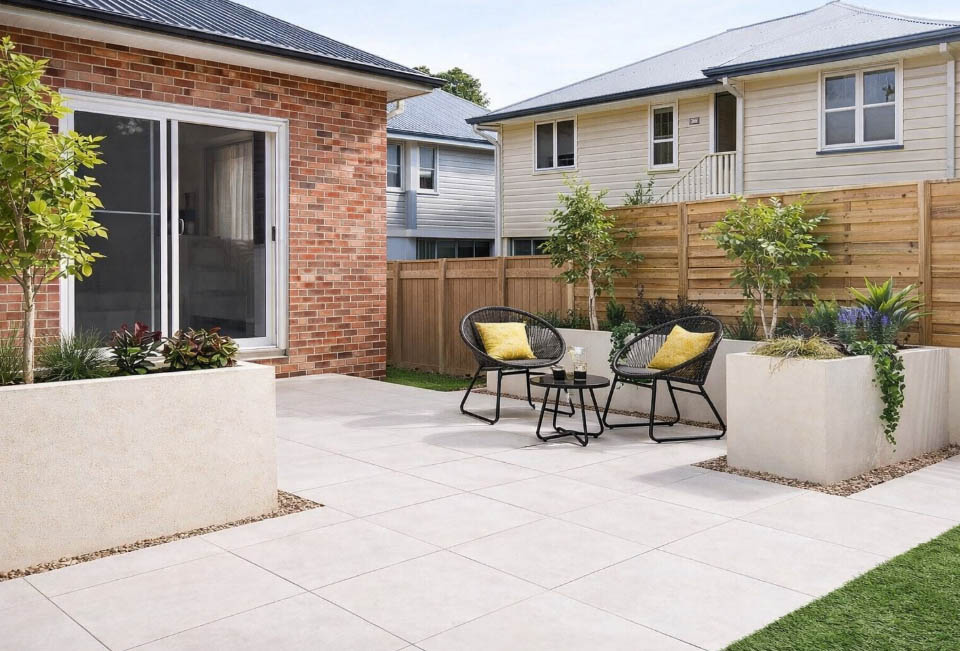
External tiling is a popular choice for patios, driveways, walkways, and building exteriors due to its durability, aesthetic appeal, and ease of maintenance. However, unlike indoor tiles, external tiles are exposed to harsh environmental conditions, which can affect their performance and longevity.
Understanding how weather affects external tiling in Brisbane and Gold Coast areas, and taking preventive measures is essential for maintaining both appearance and functionality over time.
How Weather Impacts External Tiling
Weather conditions such as rain, heat, cold, frost, and UV exposure can all impact the integrity of external tiles. Each condition presents unique challenges:
- Rain and Moisture:
Persistent rain and humidity can seep into the tile substrate if not properly sealed, causing tiles to loosen or grout to erode. Excess moisture can also lead to mold and mildew growth, making the surface slippery and unsafe. - Frost and Freezing Temperatures:
In colder climates, water trapped under or within tiles can freeze and expand, causing cracks or chipping. Frost damage is particularly common in porous tiles that absorb water. - Sun and Heat Exposure:
Prolonged exposure to the sun’s UV rays can cause fading or discoloration of tiles. High temperatures may also expand the substrate, leading to uneven tiles or grout cracks over time. - Wind and Debris:
Strong winds can carry debris that scratches or chips tile surfaces, especially on exposed patios and walkways. Loose particles can also accumulate in grout lines, potentially damaging the installation.
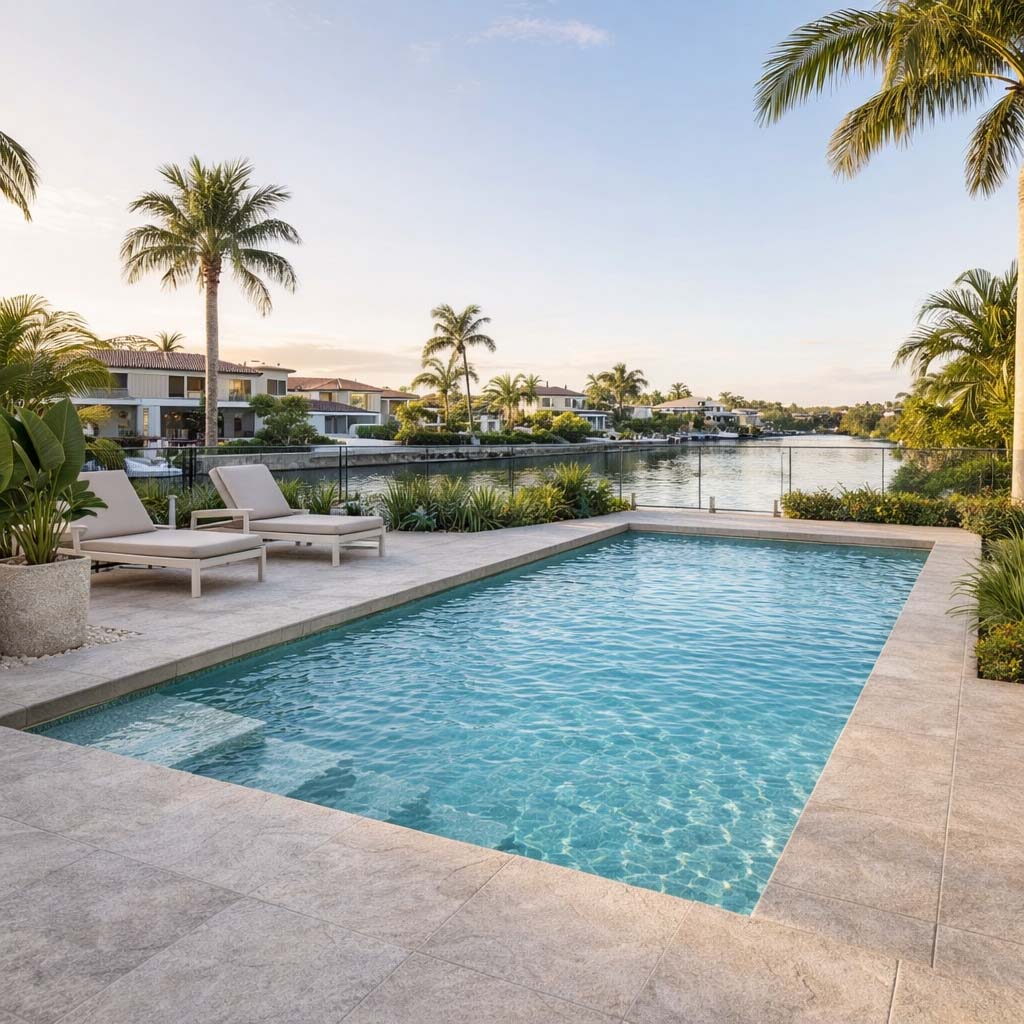
Preventive Measures to Protect External Tiling
Professional tilers recommend several strategies to safeguard external tiles from weather-related damage:
- Choose Weather-Resistant Tiles:
Not all tiles are suitable for outdoor use. Opt for frost-resistant, slip-resistant, and UV-stable tiles designed for exterior conditions. Porcelain, natural stone, and textured ceramic tiles are excellent choices for patios and walkways.
- Proper Surface Preparation:
The base and substrate must be leveled, compacted, and waterproofed before tiling. Poor preparation can lead to water pooling, uneven surfaces, and tile movement. A skilled tiler ensures the foundation is stable and ready to handle weather extremes.
- Waterproofing and Sealing:
Applying a high-quality waterproof membrane under the tiles prevents moisture from seeping into the substrate. Additionally, sealing the tiles and grout after installation protects against water penetration, stains, and frost damage.
- Correct Adhesive and Grout Selection:
Using adhesives and grouts formulated for external applications ensures durability. These materials are designed to expand and contract with temperature changes while maintaining a strong bond.
- Proper Drainage Design:
Water pooling can accelerate damage to external tiles. Ensure that patios, driveways, and balconies have a slight slope or drainage system to guide water away from the tiled surface.
- Regular Maintenance:
Cleaning tiles regularly and inspecting grout and joints helps prevent long-term damage. Promptly repairing cracks or loose tiles reduces the risk of further deterioration.
Benefits of Following Weather-Proofing Practices
Implementing these preventive measures increases the lifespan of external tiling, reduces maintenance costs, and preserves the visual appeal of outdoor areas. Weather-resistant installations also improve safety by reducing slip hazards in wet or frosty conditions.