
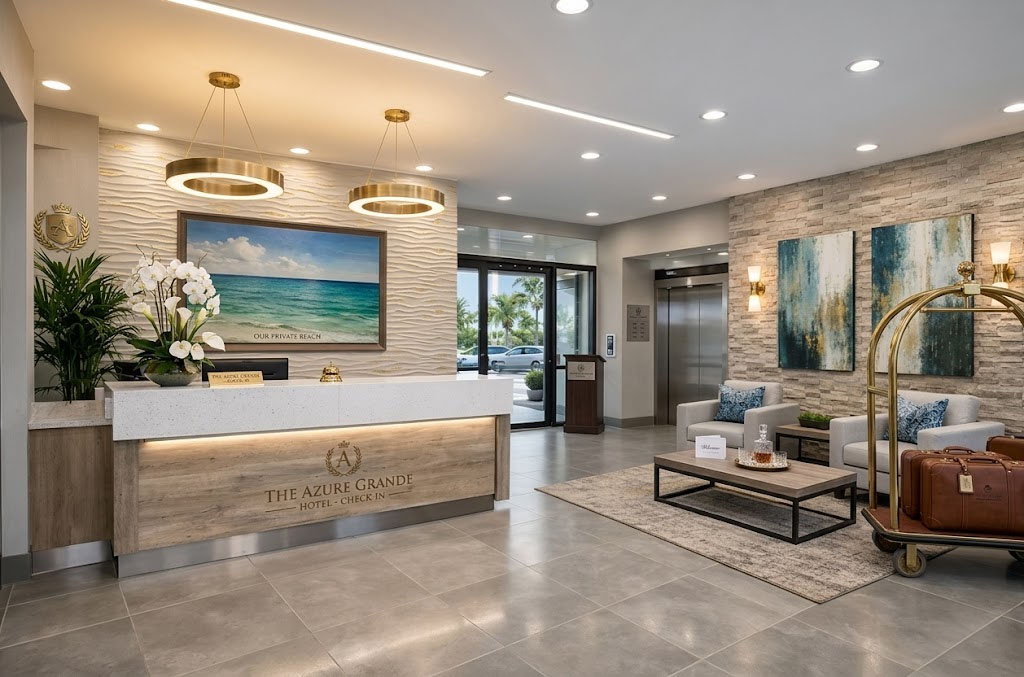
In today’s competitive construction and design landscape, commercial tiling has evolved beyond functionality. It’s now a powerful branding tool, allowing businesses to express identity through custom patterns, colors, and finishes.
From retail spaces to corporate offices, the right tiling strategy can transform a floor or wall into a brand statement that resonates with clients and visitors.
The Role of Tiling in Company Brand Identity
Tiles offer a rare combination of durability, flexibility, and visual impact. Unlike paint or temporary finishes, tiled surfaces are long-lasting and capable of carrying consistent design language across large areas. Businesses can use custom tile layouts, textures, and colors to reinforce brand identity in subtle or bold ways.
For example:
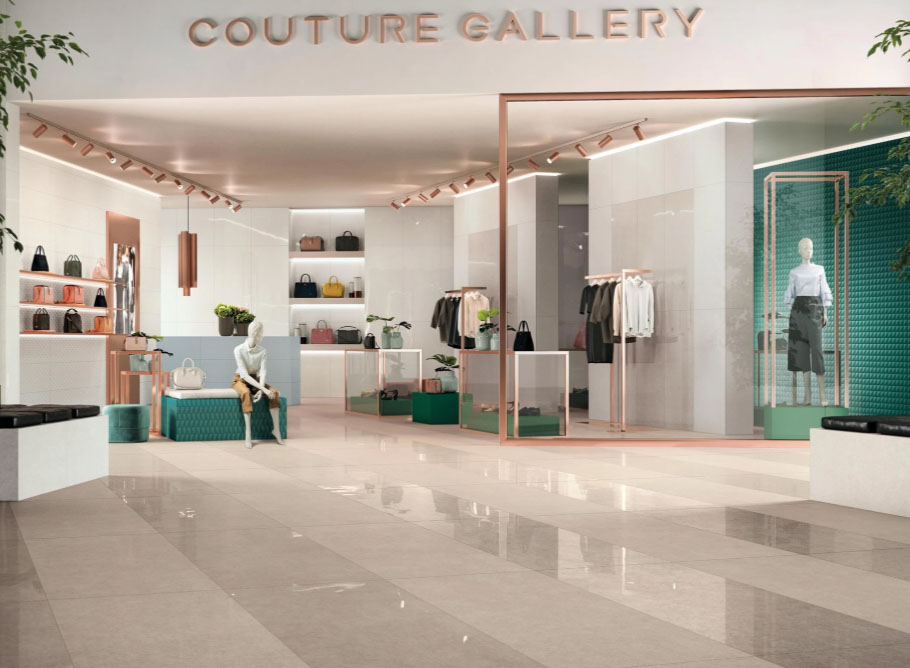
- A luxury brand may opt for large-format marble-look tiles with minimal grout lines to convey elegance.
- A vibrant café might use geometric patterns and contrasting colors to create energy and memorability.
- Corporate offices often lean toward neutral palettes with structured layouts to communicate professionalism.
In all these cases, commercial tiling acts as a visual extension of the brand.
The Power of Custom Patterns and Colors
Customization is the ultimate differentiator. Whether it’s a mosaic of your logo in the entryway or a geometric pattern that mirrors your brand’s modern aesthetic, custom tile work creates a “wow” factor that paint or carpet simply cannot match.
- Brand Alignment: Use your corporate color palette to guide your selection. Advanced manufacturing allows for precise color matching in ceramic, porcelain, and glass tiles.
- Wayfinding with Design: Use contrasting tile patterns to subtly guide customers through a retail space or toward a reception desk without the need for cluttered signage.
- Texture as Tone: A high-gloss finish might communicate luxury and tech-savviness, while a matte, stone-look tile suggests groundedness and sustainability.
Color Strategy in Tiling
Color is one of the most direct ways to communicate brand identity. Tiles allow for:
- Exact color matching to brand palettes
- Gradients or transitions for visual storytelling
- Contrasts that emphasize architectural features
Unlike paint, tile color does not fade easily, making it a reliable long-term branding element. Still, color consistency depends on proper installation and maintenance. Grout color selection, for instance, can either enhance or disrupt the overall look. Proper joint sealing and caulking help preserve these colors by preventing moisture ingress and staining over time.
Integration of Function and Design
The most successful commercial tiling services balance aesthetics with performance. This means:
- Selecting tiles with appropriate slip resistance
- Using high-quality adhesives and substrates
- Ensuring precise joint sealing and caulking to accommodate movement and prevent cracking
When these technical aspects are handled correctly, businesses gain a surface that not only looks aligned with their brand but also performs reliably under daily use.
While aesthetics drive branding, performance ensures longevity. Commercial spaces demand tiling systems that withstand heavy traffic, moisture, and environmental stress.
The Importance of Waterproofing
A visually striking tiled surface is only as good as its underlying system. In commercial environments—especially in kitchens, bathrooms, and high-traffic areas—waterproofing is essential.
Without proper waterproofing:
- Moisture can seep beneath tiles, leading to delamination
- Mold and mildew may develop, affecting hygiene and safety
- Structural damage can occur, increasing long-term costs
Effective commercial waterproofing ensures that the aesthetic investment in commercial tiling is protected. It also supports compliance with building standards and reduces maintenance disruptions.
Applications in Commercial Spaces
- Retail Stores: Branded tile patterns guide customer flow and highlight product zones.
- Corporate Offices: Consistent color schemes reinforce professionalism and identity.
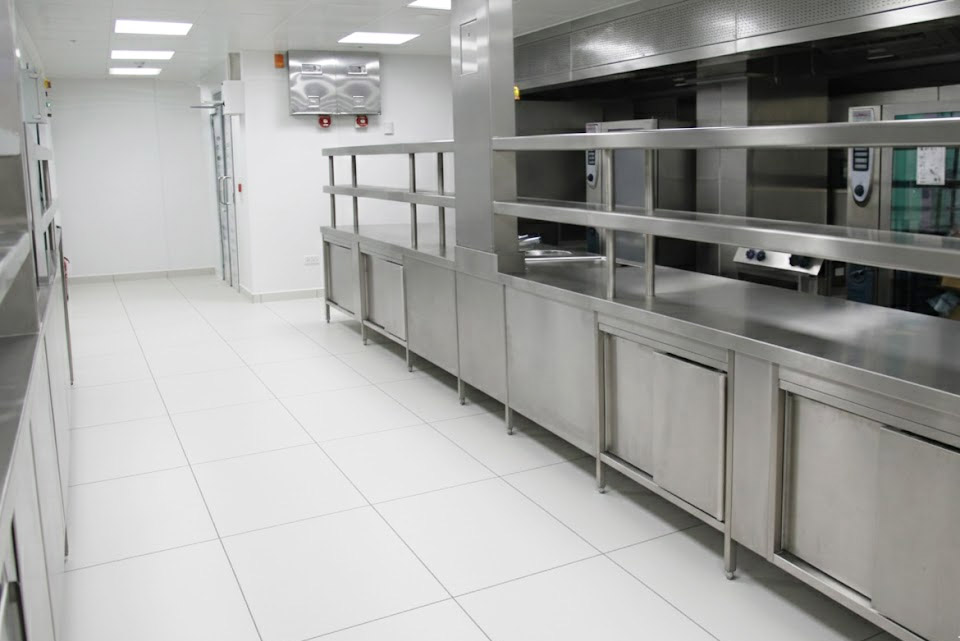
- Hospitality Venues: Waterproofed and sealed tiles ensure both aesthetics and hygiene in kitchens, bathrooms, and lobbies.
- Industrial Facilities: Heavy-duty tiling with proper concrete joint sealing and caulking withstands traffic and environmental exposure.
Compliance and Industry Standards in Commercial Tiling
Beyond design and installation, compliance plays a central role in any commercial tiling project. Businesses must ensure that all tiling work adheres to relevant building codes, safety regulations, and industry standards. This is not just a legal requirement—it directly impacts the durability, safety, and performance of the finished space.
Qualified professionals in commercial tiling are well-versed in these compliance requirements. They understand how to align installation practices with local regulations, including those related to slip resistance, moisture control, and structural integrity.
Key compliance considerations include:
- Waterproofing standards: Proper waterproofing systems must meet regulatory requirements, particularly in wet areas such as bathrooms, kitchens, and outdoor spaces. Non-compliant waterproofing can lead to structural damage and potential legal liabilities.
- Slip resistance ratings: Commercial floor filing must meet specific slip resistance classifications to ensure user safety, especially in high-traffic or moisture-prone environments.
- Joint sealing and caulking requirements: Movement joints and sealants must be installed according to standards to accommodate structural movement and prevent cracking or water ingress. Proper joint sealing and caulking also contribute to hygiene and longevity.
- Material compliance: Tiles, adhesives, and grouts must be suitable for commercial use and meet durability and fire safety standards where applicable.
Failure to meet these requirements can result in costly remediation, project delays, or even penalties. More importantly, it can compromise the safety of occupants and the reputation of the business.
Qualifications of Professional Commercial Tilers or Contractors
Achieving high-quality results requires more than design vision—it depends heavily on the expertise of qualified professionals. Professional commercial contractors typically hold formal trade qualifications or QBCC certifications in tiling and construction, ensuring they understand industry standards, materials, and installation techniques.
Key qualifications and competencies include:
- Training in surface preparation, tile installation, and finishing techniques
- Knowledge of building codes and compliance requirements
- Expertise in waterproofing systems, especially in wet areas
- Proficiency in joint sealing and caulking to ensure durability and clean finishes
- Experience working with complex layouts, large-scale projects, and custom designs
Engaging qualified commercial tiling contractors ensures that both the aesthetic and structural aspects of the project are executed correctly, reducing the risk of defects and costly repairs.
Long-Term Value
Investing in custom tile patterns and colors is not just about immediate visual impact. It’s about creating a durable, low-maintenance environment that consistently communicates brand identity over time.
With proper commercial and residential waterproofing, expert joint sealing and caulking, and high-quality commercial tiling installation, businesses can achieve:
- Reduced repair and maintenance costs
- Long-lasting aesthetic appeal
- Stronger brand recognition through physical space
Conclusion
Commercial tiling has evolved into a powerful branding tool. Through thoughtful use of patterns and colors, businesses can transform ordinary surfaces into meaningful design elements that reinforce identity and customer experience. However, the success of these designs depends heavily on the technical foundations—particularly waterproofing and joint sealing. When executed correctly, tiled surfaces become both a visual asset and a long-term investment in brand integrity.
- Challenges a Wall and Floor Tiler Faces in Commercial Buildings
- How Weather Affects External Tiling and How to Prevent Damage
- Turn BBQ Areas & Pool Decks Into WOW Spaces with Our Expert Outdoor Tilers
- How Hiring Local Outdoor Tilers Near Me Saves Time and Money?
- QBCC-Licensed Tiler Graceville: What to Look for Before You Book