

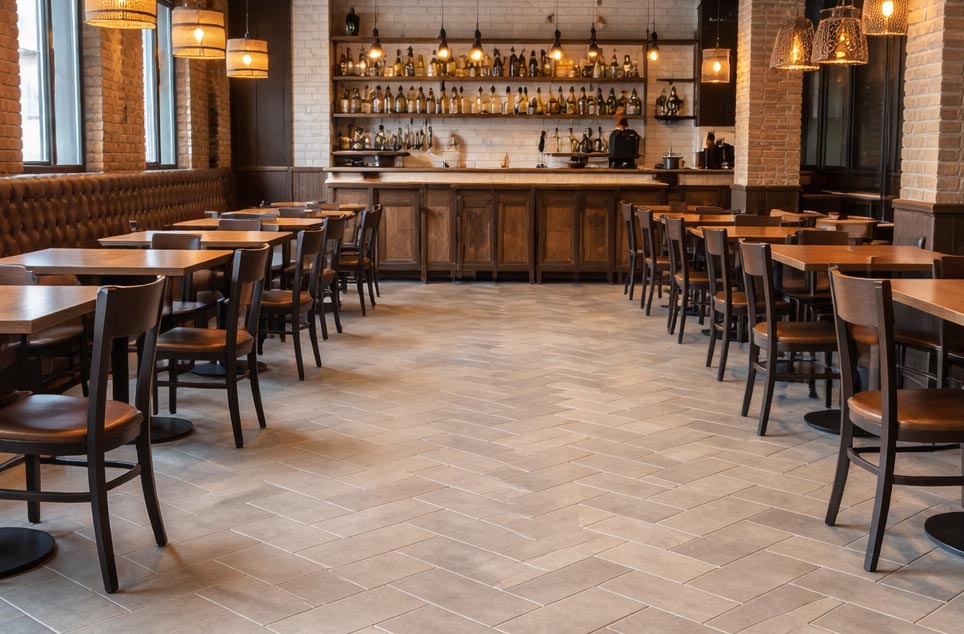
Commercial construction projects demand precision, efficiency, and durability—especially when it comes to flooring and wall finishes. A commercial and residential tiler plays a crucial role in delivering high-quality results, but working in commercial buildings comes with unique challenges.
From large-scale installations to strict deadlines, a floor and wall tiler must combine technical expertise with careful planning to ensure long-lasting and visually appealing outcomes.
Large-Scale Project Requirements
One of the biggest challenges a floor and wall tiler faces in commercial buildings is the scale of the work. Unlike residential projects, commercial spaces such as offices, malls, and industrial facilities involve extensive floor areas and long wall sections. Maintaining consistent tile alignment, spacing, and finish across such large surfaces requires a high level of precision. Even the smallest error can become noticeable when repeated across a wide area, making attention to detail absolutely critical.
Tight Deadlines and Scheduling Pressure
Time constraints are a constant factor in commercial construction. Businesses often work with strict opening schedules, meaning delays can result in financial losses. A tiler must complete the job efficiently while still maintaining quality workmanship. This balance is not always easy to achieve, especially when unexpected issues arise. Proper planning and coordination with other trades are essential to keep the project on track without compromising the final result.
High-Traffic Durability Demands
Commercial buildings experience heavy daily use, which means tiles must be able to withstand constant foot traffic and wear. A professional tiler must choose the right materials and apply proper installation techniques to ensure long-term durability. This includes using high-quality adhesives, correct grout application, and ensuring a solid foundation. Poor installation in high-traffic areas can quickly lead to cracks, loose tiles, and costly repairs.
- Common Durability Considerations a Floor and Wall Tiler Must Address:
- Selecting tiles suitable for heavy commercial use
- Ensuring proper bonding and adhesion
- Applying grout that can handle frequent cleaning and wear
- Uneven Surfaces and Preparation Challenges
Surface preparation is one of the most important—and often most challenging—parts of any tiling project. In commercial buildings, floors and walls are not always perfectly level. A tiler must take the time to correct these imperfections before installation begins. This may involve leveling compounds or adjustments to create a stable base. Skipping this step can result in uneven tiles, poor alignment, and long-term structural issues.
Complex Designs and Layout Execution
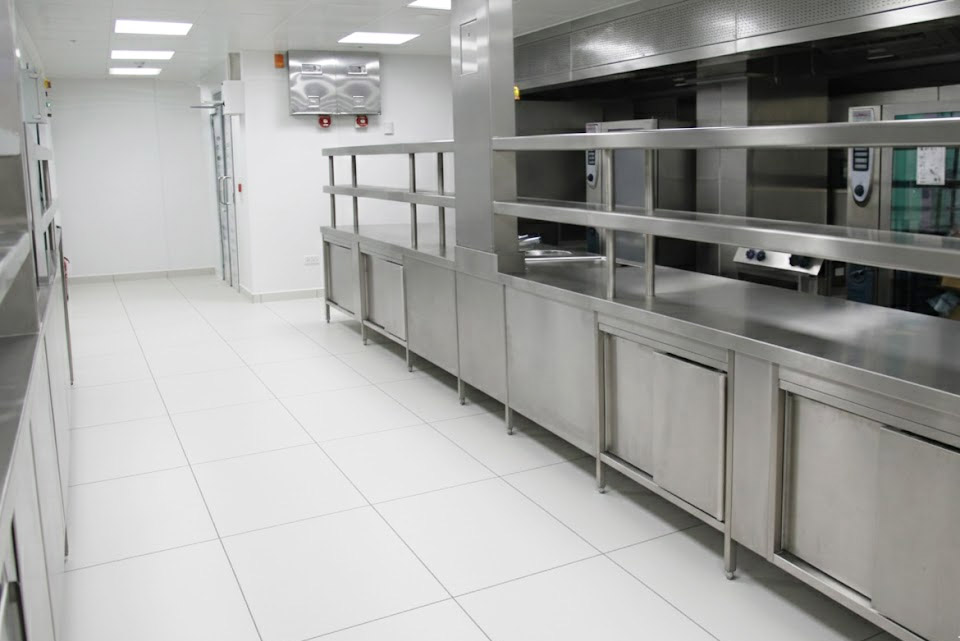
Modern commercial spaces often require customized tile layouts to match branding and design goals. This can include intricate patterns, large-format tiles, or a mix of materials. Executing these designs requires careful planning and precise measurements. A tiler must ensure that the layout remains symmetrical and visually appealing, especially in high-visibility areas such as lobbies and reception spaces.
Waterproofing and Moisture Control
In areas like restrooms, kitchens, and service zones, proper waterproofing is essential. Without it, moisture can seep into the structure, causing mold growth, tile damage, and long-term deterioration. A tiler must apply effective waterproofing systems and ensure all joints and surfaces are properly sealed. This step is critical in maintaining both hygiene and structural integrity in commercial environments.
Key Waterproofing Responsibilities of a Professional Tilers:
- Applying waterproof membranes before tiling
- Caulking joints and grout lines properly
- Ensuring proper drainage in wet areas
- Safety Standards and Compliance
Commercial tiling projects must meet strict safety regulations. This includes installing slip-resistant tiles in wet or high-risk areas and ensuring proper spacing and expansion joints. A professional Brisbane tiler must stay updated with building codes and ensure all work complies with these standards. Failure to do so can result in safety hazards and potential legal issues.
Coordination with Other Trades
A local tiler rarely works alone on a commercial project. Coordination with electricians, plumbers, and caulking contractors is essential to avoid delays and conflicts. For example, tiling may depend on plumbing fixtures being installed first or electrical work being completed in certain areas. Clear communication and teamwork help ensure a smooth workflow and successful project completion.
The challenges a floor and wall tiler faces in commercial buildings highlight the complexity of the profession. From managing large-scale projects and tight deadlines to ensuring durability, safety, and design precision, commercial floor and wall tiling requires a high level of skill and experience. By overcoming these challenges, a professional tiler plays a key role in delivering durable, functional, and visually impressive commercial spaces.