
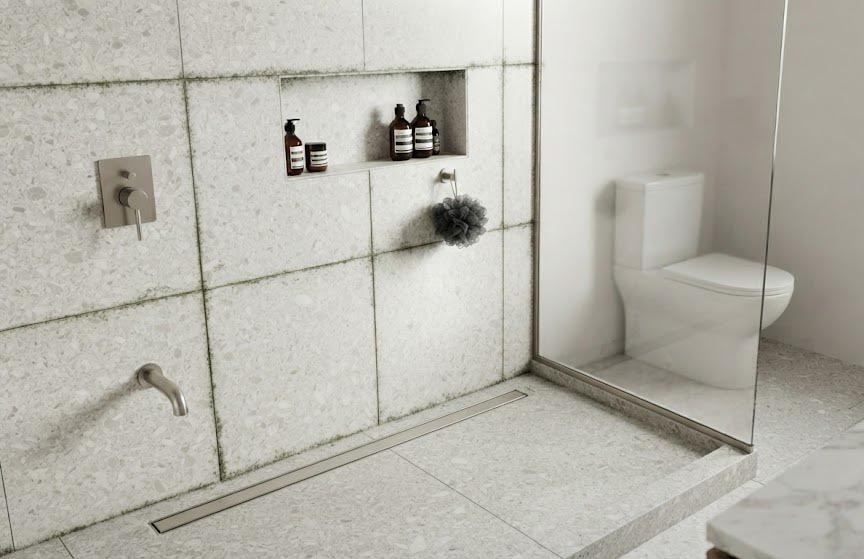
When designing or renovating a wet area, homeowners often obsess over tile color, size, and layout. However, the long-term durability, hygiene, and structural integrity of your installation depend heavily on a much smaller detail: the grout. In high-moisture environments, choosing the right joint compound is the ultimate defense against mold, water ingress, and structural decay.
For property owners undertaking bathroom shower tiling, understanding the differences between epoxy and cementitious grout—and knowing when to call professional bathroom shower tile installers—can save you thousands in future remedial repairs. A freshly tiled shower can completely change the look of your bathroom. But when grout starts cracking, changing colour or developing mould, even the best-looking tiles can quickly lose their appeal.
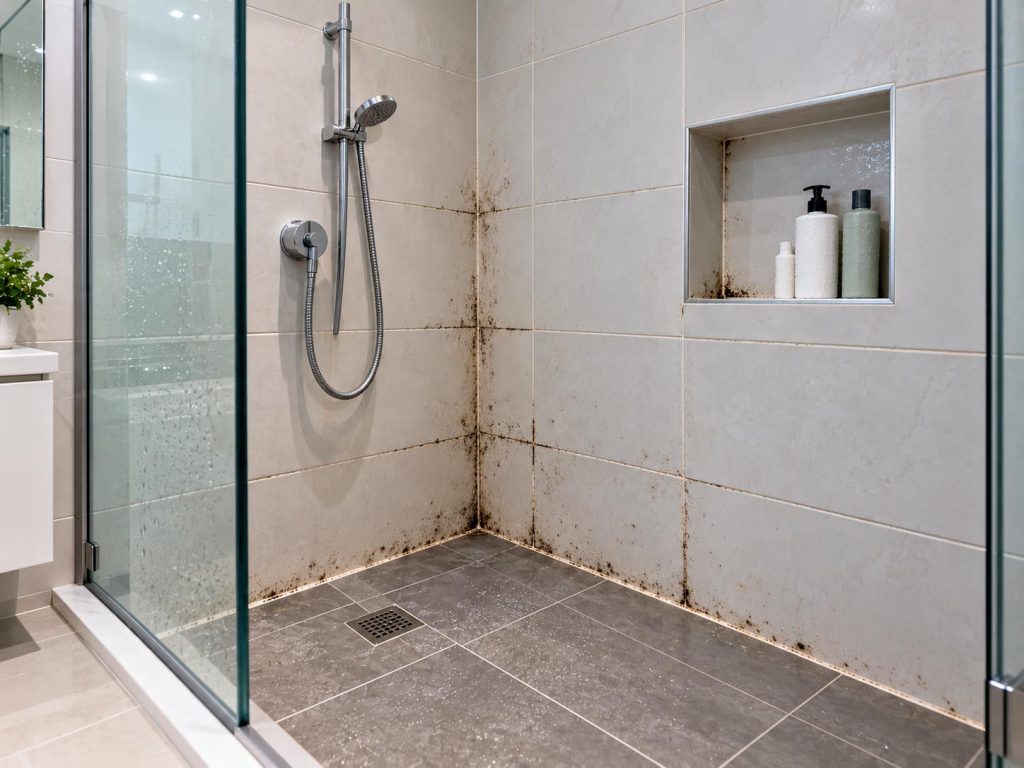
These problems often show up around shower corners, floor joints and drains, where moisture tends to collect. If left untreated, damaged grout can become harder to clean and may indicate other issues within the shower. If you’re renovating a bathroom in Brisbane or the Gold Coast, understanding how these grout types perform can help you make the right choice for your shower.
Why Does Grout Crack or Develop Mould in Showers?
Your shower gets wet almost every day. Between hot water, soap, cleaning products and changing temperatures, grout joints have plenty to deal with. Over time, these conditions can cause grout to deteriorate, particularly if the installation wasn’t done correctly.
Here are some of the most common reasons shower grout fails:
- Poor installation: Incorrect mixing, rushed application or insufficient curing can leave grout weak and more likely to crack.
- Constant moisture: Water that sits in joints for extended periods creates conditions where mould can grow, especially in poorly ventilated bathrooms.
- Movement in the building: Small movements in walls and floors can cause rigid grout to crack, particularly around corners.
- Harsh cleaning chemicals: Some acidic or abrasive cleaners can gradually damage grout and affect its appearance.
- Using the wrong grout: Not every grout product is suitable for wet areas. Choosing the wrong type can lead to premature wear.
This is why proper bathroom shower tile installation involves more than simply laying tiles. The surface preparation, waterproofing, adhesives, grout and movement joints all need to work together.
Epoxy Grout: A Long-Lasting Choice for Bathroom Shower Tiling
Epoxy grout is a popular option for homeowners who want a shower that’s easier to clean and maintain. Made using epoxy resin, a hardener and fillers, it creates a dense, highly water-resistant joint once cured. Unlike traditional cement-based grout, epoxy absorbs very little moisture. This makes it particularly useful in showers that get frequent use, where grout is regularly exposed to water, soap and bathroom cleaning products.
Contact SuperiorTiling for a Free Quote →
What Are the Benefits of Epoxy Grout?
There are several reasons homeowners choose epoxy grout for their showers.
- Strong water resistance: Its low-porosity surface helps limit the amount of moisture absorbed through grout joints.
- Easier cleaning: Soap scum, body oils and everyday bathroom stains are generally easier to remove.
- Less chance of mould developing within the grout: Because epoxy absorbs very little water, it provides a less favourable surface for mould growth.
- Good chemical resistance: Many epoxy grout products can withstand compatible bathroom cleaners better than standard cement grout.
- Long-lasting finish: When installed correctly, epoxy grout can maintain its colour and appearance for years.
However, epoxy grout isn’t necessarily the best option for every bathroom.
It generally costs more than cementitious grout and requires careful application. Once mixed, tile installers have a limited amount of working time before it begins to harden. Any leftover residue also needs to be cleaned off the tiles promptly. If you’re searching for a bathroom shower tiler Brisbane, it’s worth choosing someone familiar with epoxy grout installation, particularly if you’re using textured or natural stone tiles.
Cementitious Grout: A Reliable and Budget-Friendly Option
Cementitious grout has been used in bathrooms for decades, and it’s still a practical choice for many residential showers. It’s made primarily from cement, fillers and pigments, with some modern products containing additives that improve their performance.Today’s polymer-modified cementitious grouts offer better water resistance, flexibility and colour consistency than many older products.
Why Do Homeowners Still Choose Cementitious Grout?
Cementitious grout remains popular for several reasons:
- – More affordable: It generally costs less than epoxy grout, making it suitable for bathroom renovations with tighter budgets.
- – Straightforward installation: Most professional tilers are familiar with applying and repairing cement-based grout.
- – Plenty of colour choices: It’s available in a wide range of shades to suit different tile colours and bathroom designs.
- – Suitable for many wet areas: When the correct product is used, cementitious grout works well on shower walls and floors.
- – Easier to repair: Damaged sections can often be removed and replaced without taking out the surrounding tiles.
The main drawback is that cementitious grout tends to absorb more moisture than epoxy. Over time, this can make it more vulnerable to staining, discolouration and mould growth, particularly when a shower doesn’t dry out properly. Some cementitious grout products may also benefit from a compatible sealer. However, not every product needs sealing, and applying a sealer won’t make the grout completely waterproof.
Epoxy vs. Cementitious Grout: Which Is Better for Your Shower?
Both grout types can work well in a bathroom. The right choice comes down to your budget, how often the shower is used and how much maintenance you’re comfortable with.
Here’s a quick comparison.
| Feature | Epoxy Grout | Cementitious Grout |
|---|---|---|
| Water resistance | Very high | Good, depending on product |
| Mould resistance | Less prone to mould within grout | Requires regular cleaning and maintenance |
| Stain resistance | Excellent | Moderate to good |
| Installation | More specialised | Generally easier |
| Upfront cost | Higher | More affordable |
| Cleaning | Usually easier | May need more attention |
| Best suited for | Frequently used showers and demanding wet areas | Standard residential bathrooms |
If you want grout that’s highly resistant to staining and easier to keep clean, epoxy may be worth the extra investment.
An experienced bathroom shower tiler Gold Coast can help you compare the options based on your tiles, shower layout and budget.
Transform Your Bathroom with Logan, Brisbane and Gold Coast’s Trusted Tiling Experts
If you’re looking for a reliable bathroom shower tiler Gold Coast or Brisbane,
SuperiorTiling can help you plan and create a shower that perfectly suits your home, style, and budget.
With the right materials and professional installation, you can enjoy a beautiful, functional shower that’s easier to maintain and built to last for years to come.
CONTACT US FOR OBLIGATION-FREE QUOTATION
Contact SuperiorTiling today to discuss your bathroom project and receive expert advice from the team trusted across the Gold Coast and Brisbane
🌐 superiortiling.au
Does Epoxy Grout Completely Stop Mould?
One of the biggest misconceptions about epoxy grout is that it makes a shower completely mould-proof. While epoxy is highly resistant to moisture absorption, mould can still develop in a bathroom.
For example, you may notice mould forming on silicone seals, tile surfaces or areas where soap residue builds up. Poor ventilation and standing water can also contribute to the problem. Even with epoxy grout, it’s important to keep your shower clean and allow it to dry properly.
Simple Ways to Reduce Mould in Your Shower
A few regular habits can make a noticeable difference:
1. Run your bathroom exhaust fan during and after showering to help remove excess moisture.
2. Use a squeegee to clear water from shower screens, walls and floors where practical.
3. Clean your grout regularly with products recommended for your grout type.
4. Check silicone seals around corners, fixtures and shower screens for damage.
5. Have recurring mould, damp patches or suspected leaks investigated before they become bigger problems.
Remember, even the best grout cannot fix faulty waterproofing or a poorly constructed shower.
Why Professional Bathroom Tiler Makes a Difference?
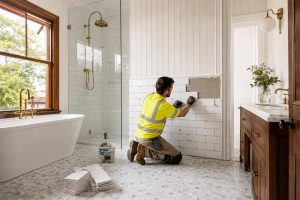
Good shower tiling isn’t just about making the tiles look straight and the grout lines neat. What happens underneath the tiles is equally important. A properly installed shower needs effective waterproofing, suitable drainage, the right materials and careful attention to joints and corners.
Here’s what experienced tilers focus on.
 1. Waterproofing That Protects Your Bathroom
Waterproofing is one of the most important parts of any shower installation. The waterproofing membrane beneath the tiles helps prevent water from reaching the walls, floors and surrounding building materials.
Tiles and grout alone aren’t enough to waterproof a shower. In Queensland, bathroom waterproofing must comply with applicable National Construction Code requirements and relevant Australian Standards, including AS 3740 where applicable.
2. Correct Drainage and Shower Floor Falls
Have you ever noticed water sitting in parts of your shower long after you’ve finished using it? This can happen when the floor hasn’t been installed with the correct fall towards the drain. A properly graded shower floor allows water to drain away rather than collecting around grout joints and corners. Getting the drainage right helps reduce standing water, staining and ongoing maintenance issues.
3. Flexible Joints Where They’re Needed
Bathrooms naturally experience small amounts of movement due to temperature changes, building settlement and everyday use. Rigid grout isn’t suitable for every joint. Areas such as wall-to-floor junctions and internal corners generally need compatible flexible sealants or appropriate movement-joint systems. These allow for movement and help reduce cracking.
4. Grout Applied the Right Way
Even premium grout can fail if it isn’t installed correctly. Professional tilers make sure the joints are clean, the grout is mixed to the manufacturer’s instructions and enough curing time is allowed. Using too much water or cleaning grout incorrectly during installation can weaken the finished result.
5. Tiles and Materials Suitable for Wet Areas
The tiles you choose also affect how your shower performs. Shower floors need suitable slip-resistant tiles, while adhesives and grout must be compatible with the tile material and wet-area conditions. Whether you’re upgrading an older shower or starting a new bathroom renovation, choosing an experienced bathroom shower tiler Brisbane can help you avoid installation problems that may be expensive to fix later.
How Do You Know When Shower Grout Needs Replacing?
Not every stained grout joint needs to be replaced. Sometimes, a proper clean with a suitable grout cleaner is enough to improve its appearance. However, certain problems shouldn’t be ignored.
Watch out for these warning signs:
- Grout is cracking, crumbling or coming loose between tiles.
- Dark mould keeps returning, even after regular cleaning.
- Water continues to sit around shower floor joints.
- Tiles feel loose or sound hollow when tapped.
- Damp patches appear on nearby walls, ceilings or skirting boards.
If you notice any of these issues, it’s worth having the shower checked before simply applying new grout. Cracked grout may be a surface problem, but it can also be a sign of movement, moisture damage or a failing waterproofing system. Regrouting won’t solve a leak caused by damaged waterproofing or faulty plumbing.
Finding the actual cause first can save you from paying for the tile repairs that don’t last.
Choose SuperiorTiling for Your Commercial and Residential Tiling Needs
A well-tiled shower should do more than look good on the day it’s finished. It should be practical, easy to maintain and built to handle everyday use.
At SuperiorTiling, we provide external and internal tiling services across Brisbane and the Gold Coast. Whether you want tile replacement or repair, refreshing an outdated tiles or planning a complete bathroom renovation, our team can help with bathroom tile removal, tile selection, surface preparation and professional installation.
We understand how important the right grout, proper joint detailing and quality workmanship are in wet areas.
Frequently Asked Questions
Find answers to common questions about epoxy grout, cementitious grout and bathroom shower tiling.
Is epoxy grout better than cementitious grout for bathroom shower tiling?
Epoxy grout is generally more resistant to water absorption and staining, making it a good choice for frequently used showers. However, modern cementitious grout can also perform well when the right product is selected and installed correctly. The best option depends on your budget, tiles and maintenance preferences.
Is epoxy grout worth the extra cost?
For many homeowners, it can be. Epoxy grout usually costs more upfront, but its stain resistance and low water absorption can make regular shower cleaning easier. It’s particularly worth considering for busy family bathrooms and showers that get daily use.
Can old cement grout be replaced with epoxy grout?
Yes, in many cases. The existing grout needs to be removed to the required depth, and the tiles and underlying installation must be in good condition. If there are signs of leaks, movement or waterproofing failure, those issues should be investigated before regrouting.
Can a bathroom shower tiler brisbane install epoxy grout over existing tiles?
An experienced bathroom shower tiler brisbane may be able to replace existing grout with epoxy without removing the tiles, provided the tiled surface is sound and the joints can be properly prepared. Epoxy grout shouldn’t simply be applied over old grout without suitable preparation.
Can a bathroom shower tiler gold coast help choose the right shower grout?
Yes. A professional bathroom shower tiler gold coast can recommend a suitable grout based on your tile material, joint width, shower design and how often the bathroom is used. They can also explain the differences in cost, cleaning and long-term maintenance.
Will epoxy grout fix a leaking shower?
No. Although epoxy grout is highly water-resistant, it isn’t a replacement for waterproofing. If your shower is leaking because of a damaged membrane, faulty plumbing or another underlying issue, the cause needs to be identified and repaired.
How long should shower grout last?
Good-quality grout can last for many years, but its lifespan depends on installation quality, cleaning habits, moisture exposure and movement within the shower. Regular maintenance and prompt repairs can help keep grout in good condition for longer.
Transform Your Bathroom with Gold Coast’s Trusted Tiling Experts
If you’re looking for a reliable bathroom shower tiler Gold Coast,
Superior Tiling can help you plan and create a shower that perfectly suits your home, style, and budget.
With the right materials and professional installation, you can enjoy a beautiful, functional shower that’s easier to maintain and built to last for years to come.
Request Your Free Quote Today
Contact Superior Tiling today to discuss your bathroom project and receive expert advice from the team trusted across the Gold Coast.
🌐 superiortiling.au